Good neighbors first: How Crusoe builds with communities
Crusoe has put community engagement first since the earliest days of the company. In every community we join: we show up early, we listen first, and we are neighbors for the long term.

Every data center sits in someone’s hometown. At Crusoe, we never lose sight of that. We want the communities that welcome us to look back and say we made them stronger, that this partnership was and continues to be a good thing. We start working toward that from the very beginning.
Data centers are the backbone of modern life. Hospitals, classrooms, research labs and the apps in your pocket have run on them for decades, and AI is raising the demand. We’re proud to build this infrastructure, and we feel the immense responsibility that comes with it to do it the right way. Communities have fair questions about what having a data center in their community will mean. They deserve honest answers, given early, often and authentically.
We are proud to have put community engagement first since the earliest days of Crusoe. A town’s story is never told best by a company. It’s told by the people who live there, who know what a school, a main street, or a Friday night game means to a place. To that end, we’re excited to start sharing the stories of real community members in the communities where Crusoe operates. Watch below, and to see our commitments and the stories behind them, visit crusoe.ai/about/communities.


What you see in these stories didn’t happen by accident. It comes from hours of conversations, town halls, job fairs, public meetings and events; answering questions, listening and making Crusoe and the project as accessible as possible. It is how we operate in every community we join: we show up early, we listen first, and we are neighbors for the long term.
We start by listening
We begin conversations before a shovel hits the ground, because the best projects are shaped by the people who live alongside them.
- Open doors. We host community open houses early and throughout our projects to answer questions and share more information about data centers. Recently, in Armstrong County, TX, more than 150 neighbors filled the Claude ISD high school gym for an open house, to dig into the site design with our team.
- No NDAs with local elected officials: To advance this commitment to transparency, moving forward, we do not plan to sign NDAs with local elected officials.
- A real person to talk to. We hire a dedicated liaison on the ground who makes sure concerns reach someone who can act on them.
- Care for everyday life. Construction is disruptive, so we pay for what it touches. We pay our way for the energy and water infrastructure required to support our projects, we work to improve roads and traffic patterns, and we work to keep impacts on nearby residents as low as possible during construction.
- We give back. We commit more than just dollars. We spend time committed to the causes that mean something to the communities where we operate, like volunteering to repair damaged signage at a local church in Abilene, volunteering at the High Plains Food Bank in Claude, TX, sorting food, and carrying groceries out to neighbors’ cars. Covering ticket fees for the full season of high school sports in Warrenton, MO, so every community member can afford to cheer on their young athletes.
Commitments shaped by what communities need to create lasting economic impact
The needs of a town shape what we commit to. We work with local leaders through public processes, spell out what we will do, and often put it in written agreements that can cover community reinvestment for things like schools and emergency services, road use and repair, hiring, and noise and environmental standards. Our hope is that a data center gives a town more reasons to grow and people more reasons to stay. Here is what we see taking shape.
Schools and services that get stronger
Data centers house high-value equipment, which means a large and lasting assessed value. Once any initial incentives expire, they can generate far more property tax revenue than most other uses of the same land. In many communities where we operate, Crusoe data center projects are expected to be among the largest taxpayers. An independent Strategic Economic Research (SER) study estimates that our Armstrong County project will generate an average of about $28.6 million a year in local tax revenue over its life, roughly 8.7 times Armstrong County's current operating budget, and more than $2.4 billion over its life. In Abilene, our flagship campus is expected to generate up to 32% of the city’s and up to 25% of Taylor County’s current budgeted property tax revenue once fully built out. That money pays for schools, emergency services, water infrastructure and roads.
Careers close to home
Our projects have created more than 15,000 jobs to date across high-tech, construction and skilled trades. We focus our outreach on local communities, where we hold job fairs, partner with local unions, and do outreach to local high schools and vocational programs to educate upcoming graduates about careers in the trades. Depending on the scale of the projects, it generally supports more than 1,000 construction jobs and dozens of permanent roles at the facility. The impact reaches beyond the fence line: PwC estimates that each direct data center job supports 4.5 additional jobs elsewhere in the U.S. economy, from suppliers to the shops and restaurants where workers spend their pay.
Local businesses thrive
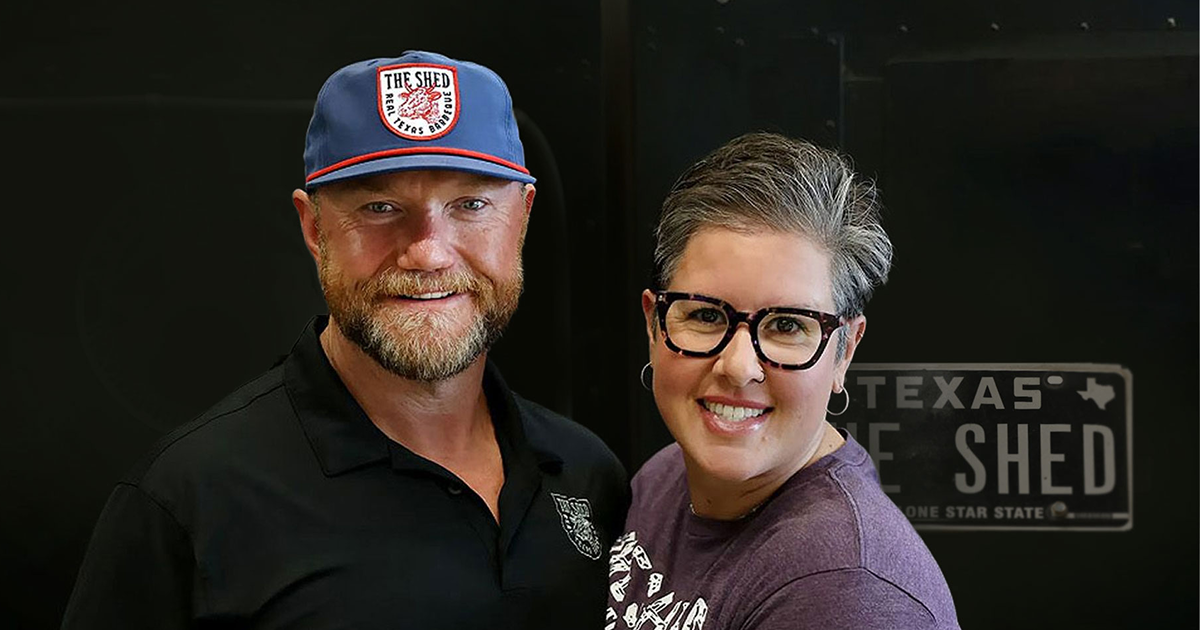
Workers eat at local restaurants, stay in local hotels and shop at local stores. Abilene business owners such as Byron Stephenson of The Shed describe a growing community with more customers coming through the door. In the past year, the city has permitted more than 1,500 new homes. Across our projects, we estimate we have invested more than $20 billion locally to date through job creation, local sourcing and tax contributions.
Built responsibly from day one
We build our data centers responsibly. Crusoe has always taken an “energy-first approach” to our infrastructure development, considering energy sourcing, usage and efficiency from the very beginning, often at sites that already have abundant or curtailed energy, and we work to pay our own way. Water is a shared resource, and we treat it as one. Our closed-loop cooling systems recirculate water in a sealed system and are designed so that equipment cooling does not rely on evaporating water. A 200MW Crusoe data center is expected to use less water each year than about 20 average American households, and about half what a typical big box store uses.
What comes next
We plan to be neighbors for decades, and we take that seriously. We will keep listening, keep showing up, and keep our commitments where people can read them and hold us to them.
Frequently
asked questions
How much water do AI data centers really use?
A 200 MW Crusoe data center is expected to use less water each year than about 20 average American households, and about half what a typical big box store uses. Crusoe uses closed-loop cooling systems that recirculate water in a sealed system. Those systems are designed so equipment cooling does not rely on evaporating water.
Do data centers bring a lot of jobs?
Data centers bring a large number of construction jobs and a smaller number of permanent ones. A Crusoe project generally supports more than 1,000 construction jobs and dozens of permanent roles at the facility, depending on its scale. PwC estimates each direct data center job supports 4.5 additional jobs elsewhere in the U.S. economy, from suppliers to local shops and restaurants.
Do data centers pay property taxes?
Data centers pay property taxes, and because they house high-value equipment, their assessed value is large and lasting. Once initial incentives expire, they can generate far more property tax revenue than most other uses of the same land. Crusoe's Abilene, Texas, campus is expected to generate up to 32% of the city's current budgeted property tax revenue once fully built out.
Do data centers increase local power bills?
Data center effects on local power bills depend largely on who pays for the energy infrastructure a project needs. Crusoe pays its own way for the energy and water infrastructure required to support its projects. The company takes an energy-first approach to site selection, often building where energy is already abundant or curtailed.